

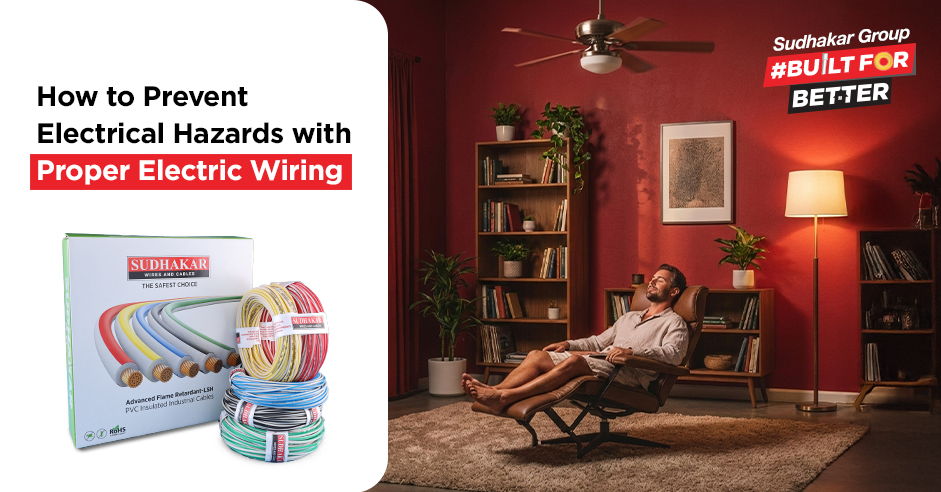
Electrical safety begins long before the flip of a switch. It starts with wiring. Poor electrical wire usage, whether it is choosing damaged wiring, old wiring, or poorly installed wiring, is one of the biggest causes of electrical accidents, short circuits, and fires. Adequate wiring, regardless of whether an installation is for a residential, commercial, or industrial application, should not only operate electrical systems properly but also protect lives and property. Knowing how to prevent electrical hazards is essential for everyone, from wire manufacturers to end users.
Understanding Electrical Hazards of Electrical Wires
Understanding what electrical hazards are is the first step to preventing mishaps. Electrical hazards, such as electric shocks, shorts, electrical fires, and equipment damage, are typically caused by overloaded circuits, loose connections, or improper electrical insulation. Negligence, such as using low-quality electrical cable or insufficient grounding, may seem like minor infractions, but can lead to problems later.
Electrical hazards are dangerous because they remain hidden until it is too late. A small spark behind a wall or a slight voltage change might seem harmless. However, a spark can lead to a fire or malfunction within a system before anyone is aware of it. Wiring goes beyond functionality. It is a matter of safety. Therefore, you should trust only reliable wire and cable manufacturers.
Designing a Proper Electrical Wire Installation Plan
The design phase is essential for ensuring a safe electrical system. Appropriate planning in the design phase lets you ensure the system will hold your expected load and can accommodate future needs. Important points to consider include:
- Load Distribution: Circuits should logically expect that the loads are separated enough not to exceed the limits. Heavy appliances, like an air-conditioner or an industrial motor, should be on their own circuits.
- Wiring layout: A thorough electrical wire layout will minimise wires crossing or overlapping in dangerous ways, as well as allow for easier maintenance.
- Voltage and current rating: Using cables that the rated voltage and current will ensure that they can resist electrical stress without starving or speeding degradation over time.
Investing In The Right Materials
Even the most thorough wiring design will be ineffective if the materials are of poor quality. Getting quality cable insulation, conductor materials, or conductors can play a large role in preventing hazardous failures. Some elements to narrow down include:
- Copper vs Aluminium: Copper, which may be more expensive, has better conductivity, lowers resistance, and reduces overheating throughout your system’s life.
- Insulation Quality: PVC and XLPE insulation materials offer good heat and moisture protection over their use and life.
- Fittings and accessories: Using certified switches, plugs, or connectors results in a low risk of sparking or loose contacts, which can lead to fires.
Prioritise Correct Installation Practice
Even with the appropriate design and materials, poor installation will negate everything. Electrical wiring installation must always comply with accepted practices and building codes. You should hire services from the best wire manufacturers. Key considerations include:
- Secure connections: Loose electrical wire connections are a primary cause of short circuits. All terminals and joints must be tight, clean, and free of corrosion.
- Avoid wire crowding: Overcrowded conduits cause heat accumulation, which can damage the wire insulation.
- Grounding: Grounding provides a safe pathway for stray current, which reduces the risk of shocks and fires.
- Colour code and label wires: Clear labelling of wires provides technicians a means of clearly identifying or troubleshooting a circuit safely.
Performing Regular Maintenance
Wiring systems are not an install, and forget component. Regular inspection is necessary to find early signs of deterioration, wear, corrosion, or overloading. Regular maintenance will prevent small issues from becoming a major concern.
- Thermal scanning: Finds hotspots in the system, which indicate overloading or conductive ratings where there is a loose connection.
- Insulation resistance testing: Will determine if the wire insulation is of its proper rating and has lessened in its ability to resist heat and electricity.
- Corrosion: Check for corrosion, especially in humid or industrial environments.
- Panels and junction box inspections: Will help determine if wires have become loose and need to be re-attached, or to see if an LED component has been damaged.
Avoiding Electrical Wiring Mistakes
The following are several electrical wiring mistakes that can put the systems at risk of electrical hazards:
- Incorrect wire gauge: Using undersized electrical wire will cause overheating and potential fire hazards.
- Wire gauge cannot be mixed: If different gauges are being used from one to the other, it causes an imbalance of the current in each wire, which can lead to a lot of voltage drop.
- Grounding or earthing: Ignoring proper grounding or earthing puts the system at risk of electrical shocks. Users can be exposed to unexpected shocks of life-threatening capacity.
- Nearness to Heat sources: Running wires too close to heat sources can melt insulation and expose conductors, or melt insulation down too low, thereby compromising the entire electrical system
- DIY repairs: Repairing electrical systems without specialised knowledge and training can turn even minor repair work into a big issue with a completely compromised electrical system.
Quality Products From Sudhakar Wires and Cables
The safety of your home and office is paramount. At Sudhakar Group, India’s leading wire and cable manufacturer, we understand the role of wires and cables in the development process of a comprehensive and reliable electrical system. We meticulously manufacture world-class quality products that keep your family and teams safe for years. With a leading wire and cable manufacturer, you can enjoy uninterrupted power without ever worrying about the safety of your loved ones. To learn more about our diverse offerings, connect with our teams today. For all of your electrical needs, we have the right kind of solution that will serve you for years.
Prevention of electrical hazards begins with something as basic as proper wiring. Wiring is a safety foundation for people, property, and productivity. Wiring, as it relates to the design process, materials, installation, and maintenance of the experience, contributes to a safe electrical experience. Using quality, compliance, and inspection can support safe electrical systems that can work for years. Getting an electrical system installed for any space requires more than basic installation. It requires deep understanding from the wire manufacturers, installers, and users to maintain compliance and safety.